Preparing a travel budget is one of the most important parts of being a happy and successful traveler, and even though road trips can be less expensive than other travel options, that doesn't mean you can skip the planning. In fact, road trips have several unique budget variables that other types of travel don't - fuel prices that change by the mile, lodging costs that swing wildly between regions, and daily spending that can spiral fast without a system in place.
Do You Like Road Trips?
Road trip budgets aren't just about gas money - they require tracking five major expense categories that interact with each other throughout your trip.
- Real-world fuel economy falls short: Your vehicle's actual MPG is almost always worse than the EPA number, and factors like speed, terrain, and cargo weight can reduce it by 10-15%.
- One spreadsheet does the heavy lifting: A simple template that tracks dates, locations, and estimated vs. actual costs is the single most useful budgeting tool you can build for any road trip.
- Daily caps beat per-meal budgets: Setting a daily spending cap for food and entertainment gives you the flexibility to splurge one day and save the next without losing control of the total.
- Insurance gaps can wreck your trip: Reviewing your auto insurance policy before departure can save you from a financial disaster - many basic policies don't include extended towing or rental car coverage.
- Modern apps change the game: Tools like GasBuddy, TravelSpend, and Google Maps' fuel-stop planning make real-time budget tracking far easier than it was even a few years ago.
When you first think about planning a summer road trip for your family, the numbers start to add up quickly. Food, gas, lodging, entertainment, and those unplanned stops you didn't see coming all compete for the same dollars. The key to keeping it manageable is breaking everything down into individual line items so you can see where the money goes before you leave your driveway.
The saving-up part is straightforward - there are online calculators that can help you figure out how long it will take to reach your goal. But knowing how much you actually need? That's where experience and planning come in.
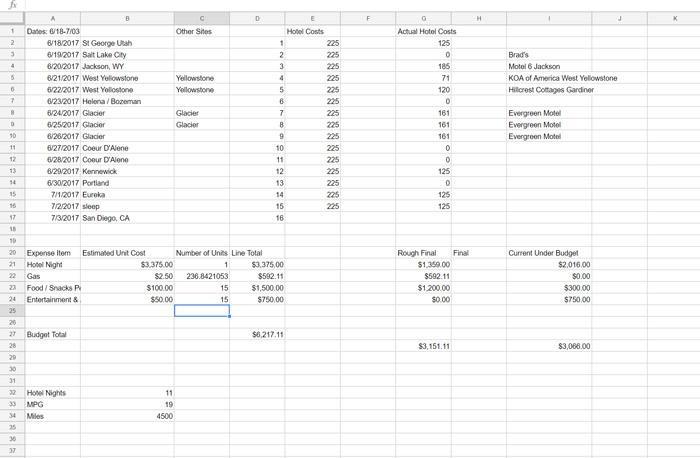
I created a spreadsheet template years ago that I use for every major road trip. It maps out where I'll be on what dates (updated later with reservation details) and doubles as a worksheet for tweaking budget estimates against actual costs. Having that single document where everything lives - fuel projections, nightly lodging rates, daily spending caps - has saved me from budget surprises more times than I can count.
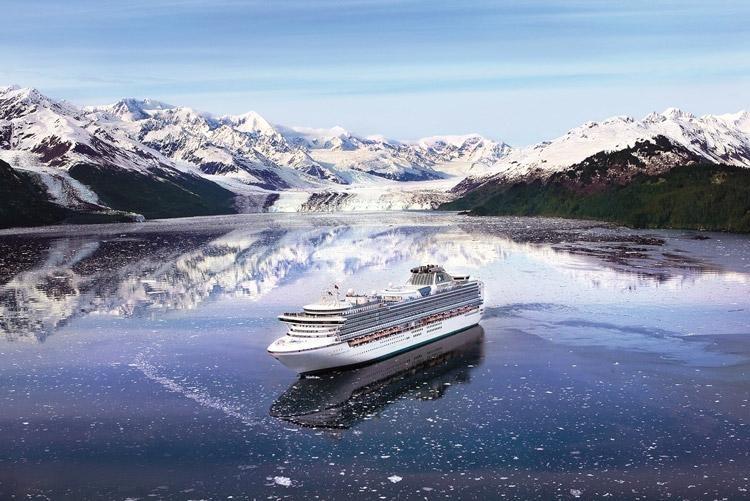
Planning An Alaskan Cruise Mancation? Here's What You Need to Know
An Alaska Cruise is a fantastic mancation idea, here are some tips to make it an amazing experience.

Beyond Detroit: Best Places In Michigan For A Guys Trip
Discover Michigan's best guys trip destinations, from Grand Rapids' brewery scene to outdoor adventures in Pictured Rocks and Copper Harbor.

Central Thailand Highlights 3D/2N
A 3-day round trip from Bangkok exploring ancient ruins, temples, markets and local villages. Ideal for travelers wanting Thailand's cultural highlights.

Multi day Kayak Expedition Sitka, Alaska
Multi day kayak expedition in Sitka, Alaska with wildlife, pristine forests and Tlingit and Haida history, ideal for adventurous paddlers.
Promoted by FlowAds

Calculating Fuel Economy
For a rough estimate, your vehicle's EPA fuel economy rating is a reasonable starting point - but in practice, real-world numbers are almost always lower. Factors like the extra weight of passengers and gear, mountainous terrain, weather, speed, and the type of driving you're doing can easily knock 10-15% off that EPA number.
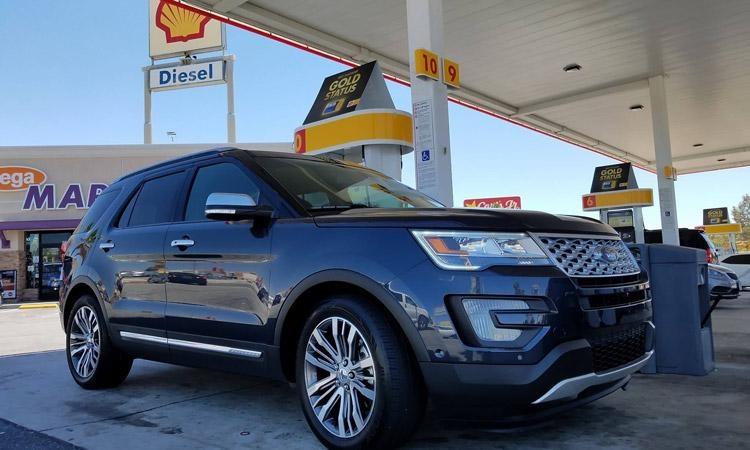
On that western road trip, the SUV we drove was rated at 20 MPG combined, but the actual average came in closer to 19 despite 90% highway driving. The biggest factor was speed limits - Utah, Wyoming, Montana, and Idaho all have limits above 70 MPH, and that high-speed travel eats into fuel economy. Add in mountainous terrain, winding roads, and some off-pavement stretches, and the gap between rated and real gets wider fast.
Man Gear Pick of the Month
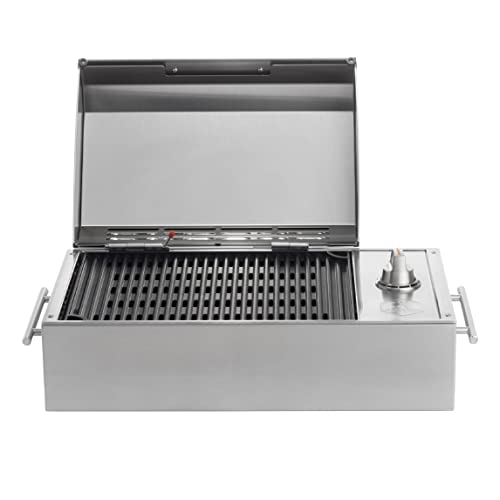
Kenyon City Grill Portable Stainless Steel Electric Grill
Why we picked it: a grill you can actually carry to the campsite, the tailgate or the cabin without borrowing a truck. Stainless, no propane tank to wrestle, and hot enough to cook for four guys rather than reheat for one.
 August's Pick LiberNovo Maxis Electric Big and Tall Ergonomic Office Chair, Graphite 52cm $1,466.00
  July's Pick Powerful Propane Torch Gun, Adjustable Flame Thrower Gun, Kitchen Torch with Detachable Design, Flamethrower Blow Torch for BBQ, Searing Steak, Welding, Camping Charcoal Lighter(Tank Not Included) $41.99
  June's Pick OYASUMI Funny BBQ Man Hot Dog Holders, 4 PCS Reusable Stainless Steel Sausage Stands, Portable Hot Dog Roasters, Barbecue Grill Accessories for Camping & Party Gifts $14.98
 Promoted by FlowAds

Determining Fuel Line Item Estimate
Once you've nailed down those three variables, the math is simple: total miles driven ÷ miles per gallon × price per gallon = estimated fuel cost.
Build in a 10% buffer on top of that number. Detours happen, gas prices spike in tourist areas, and you'll almost certainly drive more miles than you planned. It's better to come home with money left over than to be watching your fuel gauge and your bank account at the same time.
Creating a Lodging Budget
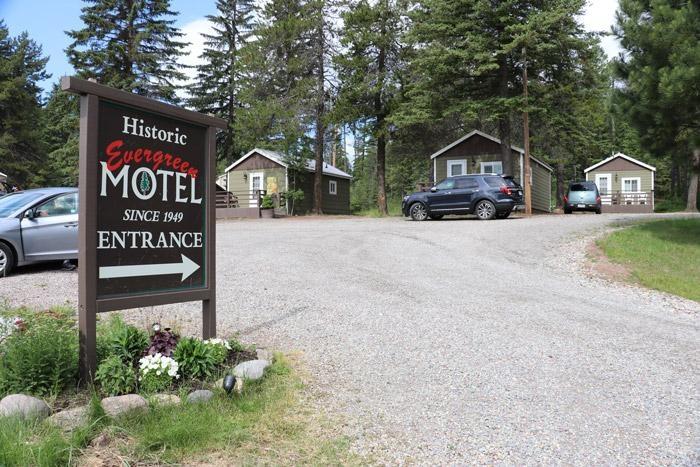
Lodging is likely the largest single line item in your road trip budget, and it's also where you have the most room to save - or overshoot. In my travel budget spreadsheet, I start by setting a target nightly rate, then compare that against actual prices as I book accommodations.
A few strategies that consistently help keep this number in check: book early for popular destinations (national park gateway towns fill up fast and prices spike), consider a mix of hotel nights and camping or cabin stays to balance comfort with cost, and check whether booking directly with the property offers a better rate than third-party sites. Loyalty programs with chains like Marriott, Hilton, or IHG can also add up to meaningful savings if you're driving a route with multiple overnight stops.
For families or groups, vacation rental platforms can sometimes beat hotel pricing - especially when you factor in having a kitchen to cook some meals instead of eating out every night.
Create a Food, Entertainment, and Snacks Budget
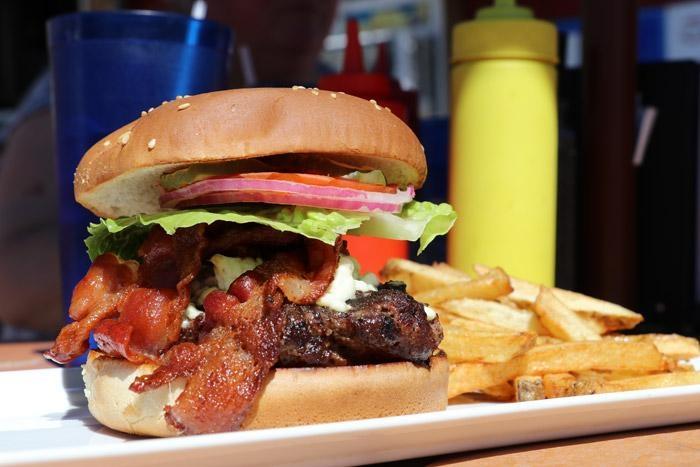
These categories are the hardest to predict because they're driven by daily choices rather than fixed bookings. Instead of trying to estimate every meal, I set a daily spending cap and then manage against it as the trip progresses.
For example, if I estimate $150 per day for food and entertainment for the family, that means a splurge dinner one night needs to be offset by a grocery run and a free hike the next day. This "daily average" approach gives you flexibility without losing control of the overall number.
A few practical tips that have worked for me: pack a cooler with snacks and drinks for the car (gas station markup on snacks is brutal), eat your big meal at lunch when many restaurants offer lower prices, and research free or low-cost activities at each stop before you arrive. National parks, state parks, and most downtown areas have plenty to do without spending much.
Tracking apps like TravelSpend or Splitwise (great for group trips) make it easy to log expenses in real time so you're not guessing at the end of each day.
Verify Your Insurance Policy Benefits and Costs
This is the budget line item most people forget entirely - until they need it. Your insurance needs on the road are different from your daily commute, and it's worth a 15-minute call to your provider before you leave.
Key questions to ask: Does your policy include roadside assistance with extended towing (not just the 5-mile tow that comes standard on basic policies)? Are you covered for a rental car if your vehicle breaks down hundreds of miles from home? Does your coverage extend to all the states you'll be driving through?
If you have a basic or cut-rate policy, you might find gaps that could leave you stranded financially. Adding roadside assistance and rental car coverage for the duration of your trip is often just a few extra dollars and worth every penny for the peace of mind. Alternatively, services like AAA offer roadside packages that complement your insurance if your provider's options are limited.

A Summer Road Trip Budget You Can Actually Stick To Needs To Be Planned Before You Leave
The budget doesn't end when you pull out of the driveway - in fact, that's when the real work starts. As your trip progresses, update your spreadsheet or tracking app with actual numbers alongside your estimates. This helps you course-correct in real time if you're running over budget, and it builds a historical reference that makes your next road trip budget more accurate.
In my experience, the biggest budget surprises usually come from underestimating fuel (those in-destination miles add up) and overestimating how disciplined you'll be with food spending. But that's exactly why the system works - a road trip budget isn't a constraint, it's what makes the trip enjoyable instead of stressful. The travelers who have the best time aren't the ones who spend the most; they're the ones who know where their money is going and can make smart tradeoffs along the way. Build the spreadsheet, do the fuel math, set your daily caps, and then go have the adventure.

Promoted by FlowAds
