Every international trip carries a cost nobody quotes you: the gap between the exchange rate you should have gotten and the one you accepted. Most of it is avoidable with a short list of habits, some set up before you fly and the rest on your first morning. It arrives in small bites, a few percent at a card terminal here and a few more at an exchange window there, and across two weeks it adds up to a night you paid for and never slept in.
What Do You Call Your "Guys Trips"?
- Japan still runs heavily on cash - small restaurants, temples, shrine offerings and rural inns frequently take nothing else, even as the big chains go contactless.
- Germany and Austria keep a stubborn cash habit - bakeries, market stalls and independent restaurants in major cities still post card-free signs.
- The Nordics sit at the opposite extreme - in Sweden and Norway some businesses have stopped accepting cash altogether, so a pocket of local notes solves nothing.
- India moves enormous volume through UPI - foreign-issued cards get limited access to that system, which leaves visitors working with cards and cash.
- A cash-heavy destination raises the stakes on the rate - the exchange counter handles a far bigger share of your trip, and that counter is where the widest spreads live.
All of it comes down to one number to check and a short list of offers to decline. Our guide to smart money moves covers the saving and budgeting side. This is what happens to that money the moment it crosses a border.
Check The Mid-Market Rate Before You Hand Anything Over
The mid-market rate is the midpoint between the buy and sell prices for a currency on the global market. It is the number you see on Google, XE and Reuters, and it is the benchmark consumer rates get measured against. No booth and no card network hands you that exact figure. The only question is how far off you land.
Look it up the morning you arrive and screenshot it. Once that number is sitting on your phone, every booth window and terminal prompt in front of you turns into a comparison instead of a guess.
12 Epic Ideas for an Awesome Dubai Guys Trip
Men's guide to Dubai: 12 epic luxury experiences including supercar rentals, hidden speakeasies, desert adventures, and Arabian Gulf cruises. Perfect for guys trips seeking premium thrills in this exclusive destination.
Alaska's Cultural Side: Why Cruising the Last Frontier Is More Than Just Scenery
Visiting Alaska is about more than just natural beauty, it is an opportunity to explore a unique culture and escape from the rest of the world.

Private Multi Day All Inclusive Tour in Thailand
Private all inclusive multi day Thailand tour covering Bangkok, temples, islands and hill villages, ideal for travelers wanting a guided trip.
Cruise Ship Wi-Fi Explained for First-Time Cruisers
First-time cruiser connectivity made simple: ship Wi-Fi versus cellular day passes, which cruise lines include internet, security considerations for banking, and practical strategies to match your usage without overspending.
Promoted by FlowAds

For reference, a card network conversion usually lands within about a percent of that midpoint. That is the bar, and anything costing you meaningfully more than that is somebody taking a cut you agreed to without noticing.
Always Pay In The Local Currency, Never Dollars
The card terminal asks whether you want to be charged in dollars instead of the local currency, which reads like a courtesy but is a product called dynamic currency conversion. The rate attached to it is set by the merchant's payment processor rather than by your card network.
That markup commonly runs 3 to 7 percent above the mid-market rate, and it applies to the whole purchase. Decline every time and let your own network handle the conversion. The same prompt appears at card terminals, at ATMs and at online checkouts on foreign sites, and the correct answer does not change between them.
"No Commission" Is Where The Spread Hides
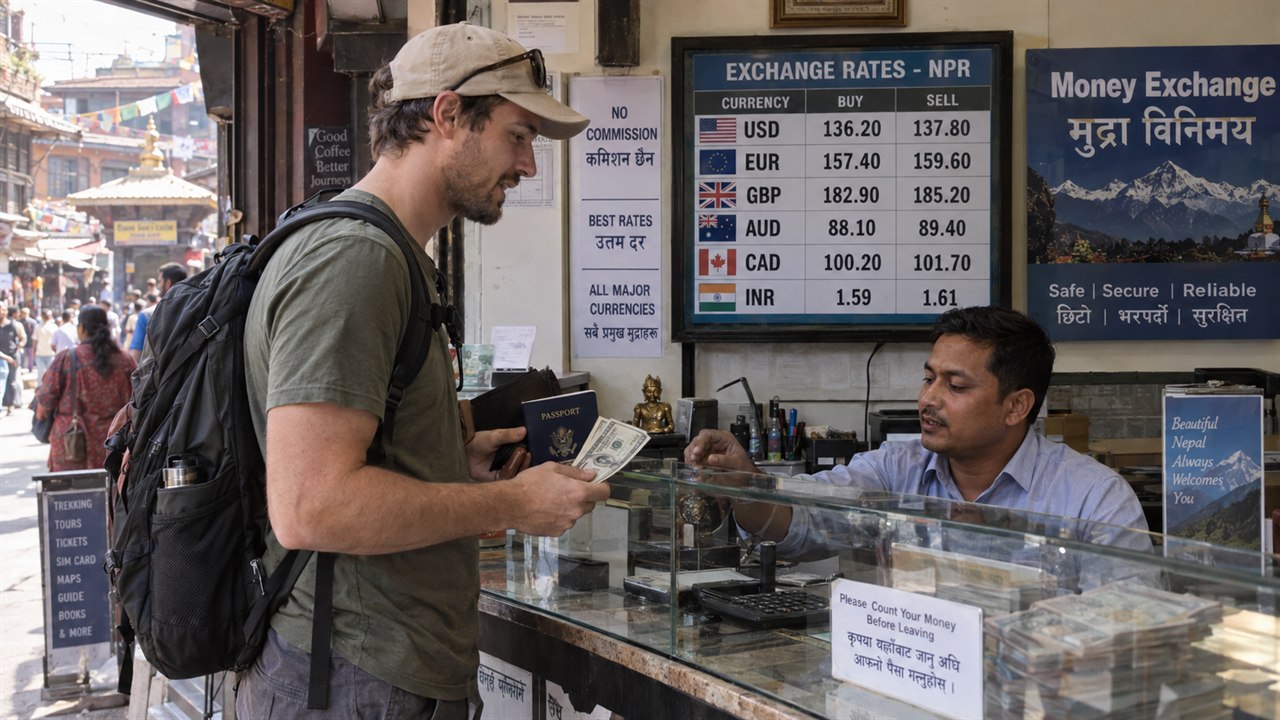
A currency booth advertising zero commission is telling the truth. Commission is one fee among several, and dropping it costs the booth very little, because its margin lives in the spread: the gap between the price it pays for your dollars and the price it charges you for local currency.
Read both columns on the board. A booth buying at 136 and selling at 138 is working a spread near 1.5 percent, which is on the fair side. Airport arrivals halls and hotel front desks routinely run several times wider than that, and the signs above them advertise no commission too.
When the only window open is a bad one, change the minimum that gets you out of the airport and into town, then find a better rate in the morning. A wide spread costs you in proportion to the amount you run through it, so keep that amount small.
Your Own Card May Cost More Than The Booth
A foreign transaction fee is a straight surcharge from your issuer, usually 3 percent, applied to every purchase you make abroad. It is separate from the conversion itself, and it lands on a statement weeks after you get home, which is exactly why so few guys connect it back to the trip.
Many travel cards charge nothing at all. Carry one and make it the card you reach for wherever cards are taken. Check the debit card separately, because many banks charge a foreign transaction fee and a per-withdrawal fee for the same cash-machine visit.
Pull Cash From The Right Machine
Bank-branded ATMs attached to an actual branch give better terms than the standalone machines clustered in tourist districts and arrivals halls. Those independent operators earn their living on surcharges and on the same conversion prompt you have been declining all trip.
Take fewer and larger withdrawals so any flat fee spreads across more money. Watch for an operator surcharge disclosed on the screen, which sits on top of whatever your own bank charges rather than replacing it. Some banks reimburse those fees, which is worth knowing before the trip rather than after it.
What A Bank Wire Costs Beyond The Fee
Spending abroad and sending money abroad are different problems carrying different costs. A bank wire charges a flat fee, typically 35 to 50 dollars on the way out, and takes a margin on the exchange rate as well. That second charge is the same trick the currency booth was running, moved inside a wire: the flat fee is printed on the receipt and the rate markup is not, and on a transfer of any size the markup is the bigger of the two.
This comes up more often than guys expect, whether it is a deposit to a tour operator, a settle-up with a lodge after the fact, or sending money to somebody who lives there. If the destination is India, compare an India money transfer option against your bank's wire before you move anything, because the difference shows up in the amount that actually arrives. Our India mancation ideas guide covers the regions where that deposit is most likely headed.
Start The Trip With A Four Dollar Test Before Assuming You Fully Understand How Currency Exchange Rates Work
On your first morning, buy something small on the card you plan to use for the rest of the trip. A coffee covers it. Then open the banking app and look at what posted against it.
That single line tells you the rate your issuer gave you and whether a foreign transaction fee rode along behind it. That is a four-dollar lesson on the first morning. Wait for next month's statement and the same rate has been working against you for the entire trip.
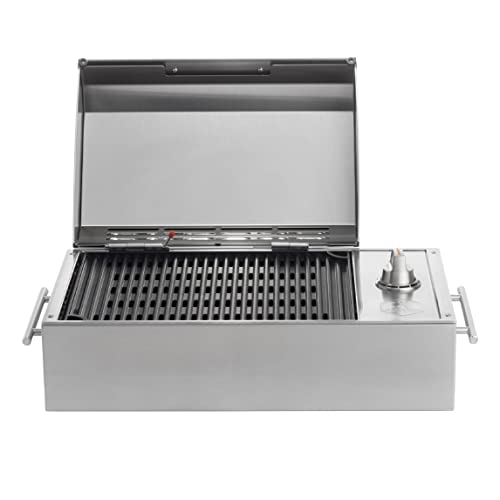
Kenyon City Grill Portable Stainless Steel Electric Grill
Why we picked it: a grill you can actually carry to the campsite, the tailgate or the cabin without borrowing a truck. Stainless, no propane tank to wrestle, and hot enough to cook for four guys rather than reheat for one.


Promoted by FlowAds
