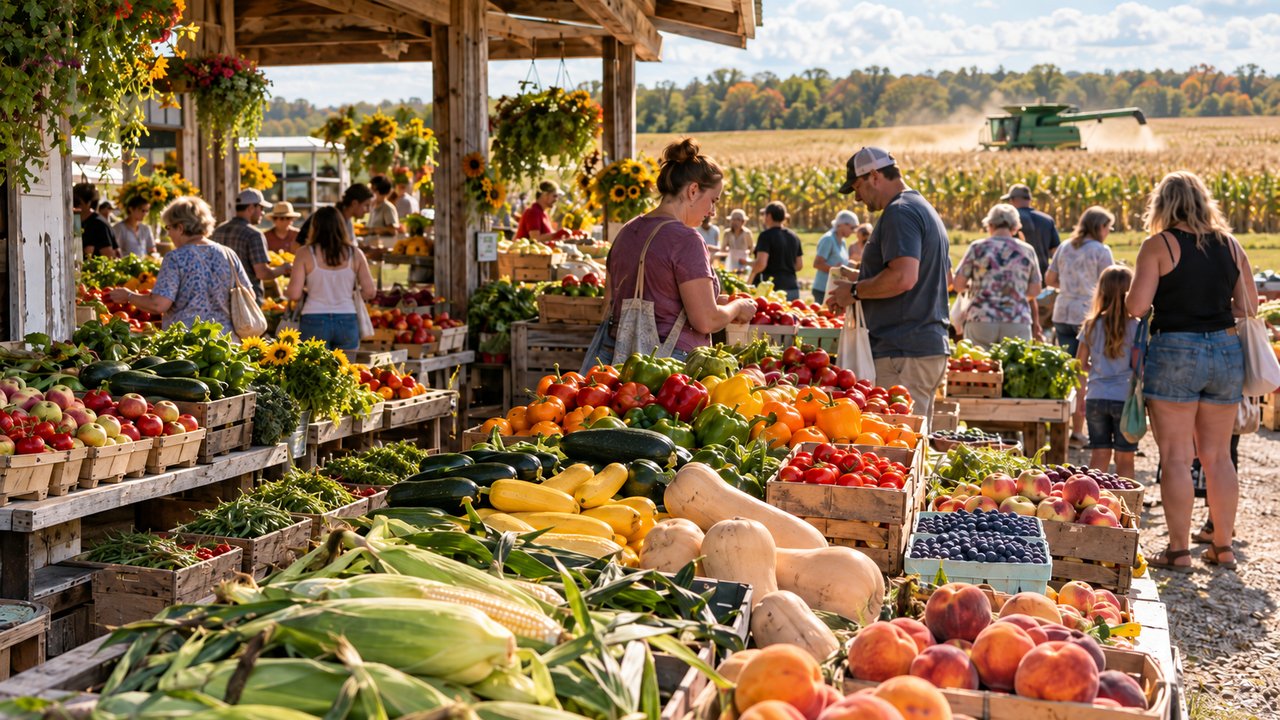
Fresh produce is easy to take for granted once it's in your kitchen, but every head of lettuce and pint of strawberries got there through a tight harvest window, a lot of hard physical work, and a chain of handoffs between the field and the store. Knowing how that chain works makes you a sharper shopper, and it gives you a real answer the next time a kid asks where dinner came from.
Harvest Timing Decides How Good Your Produce Tastes at Home
Harvest is when a produce farm's workload peaks. Growers have to call the day each crop is ready and have a picking team in the rows that morning, with one eye on the forecast.
Pick too early, and you give up flavor and texture. Wait too long, and a strawberry goes soft before it ever leaves the field.
A ripe tomato doesn't follow a convenient calendar either. Weather and plant variety set the schedule, and growers often get a narrow window to work with. The shape a crop is in on picking day also decides how well it survives packing, trucking and a few days on a store shelf. Produce that leaves the field in good condition is the produce that still looks good in your fridge on day four.
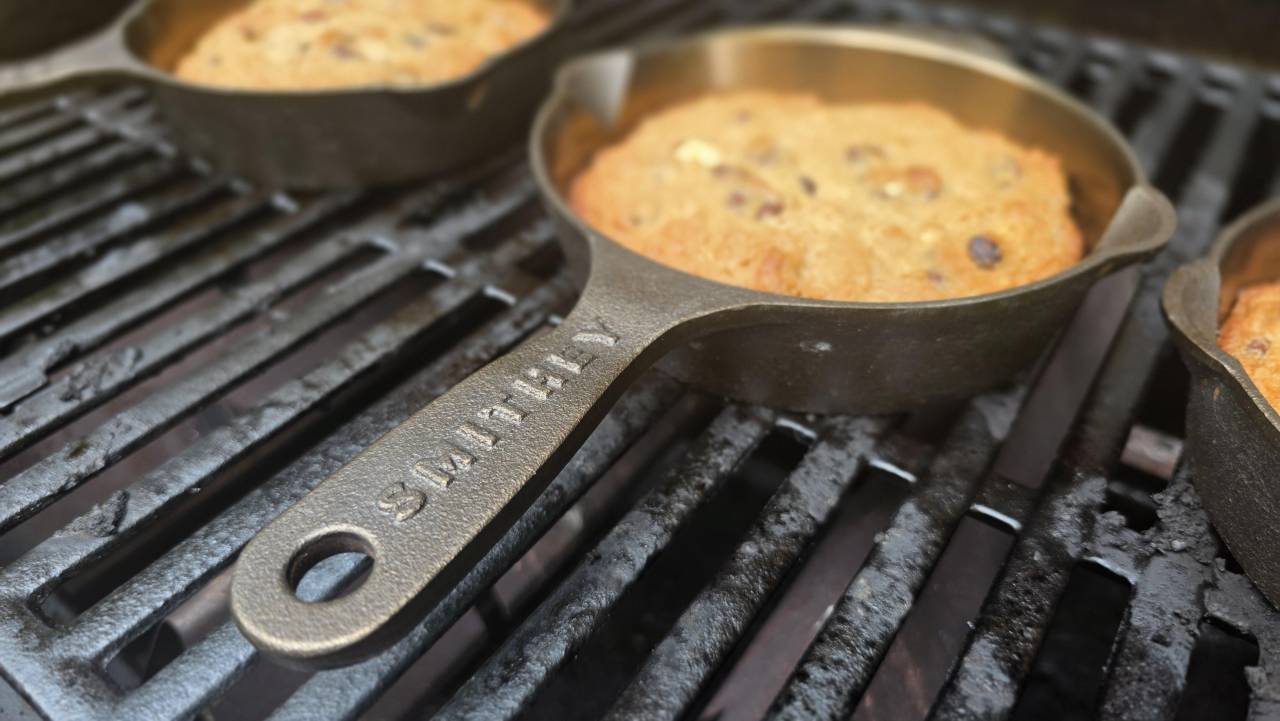
I Grilled The Most Amazing Chocolate Chip Granola Cookies With These Skillets From Smithey
Smithey Iron Works No. 6 Skillets review featuring grilled chocolate chip granola cookies recipe. Premium cast iron performance meets mirror-polished beauty for outdoor cooking excellence.
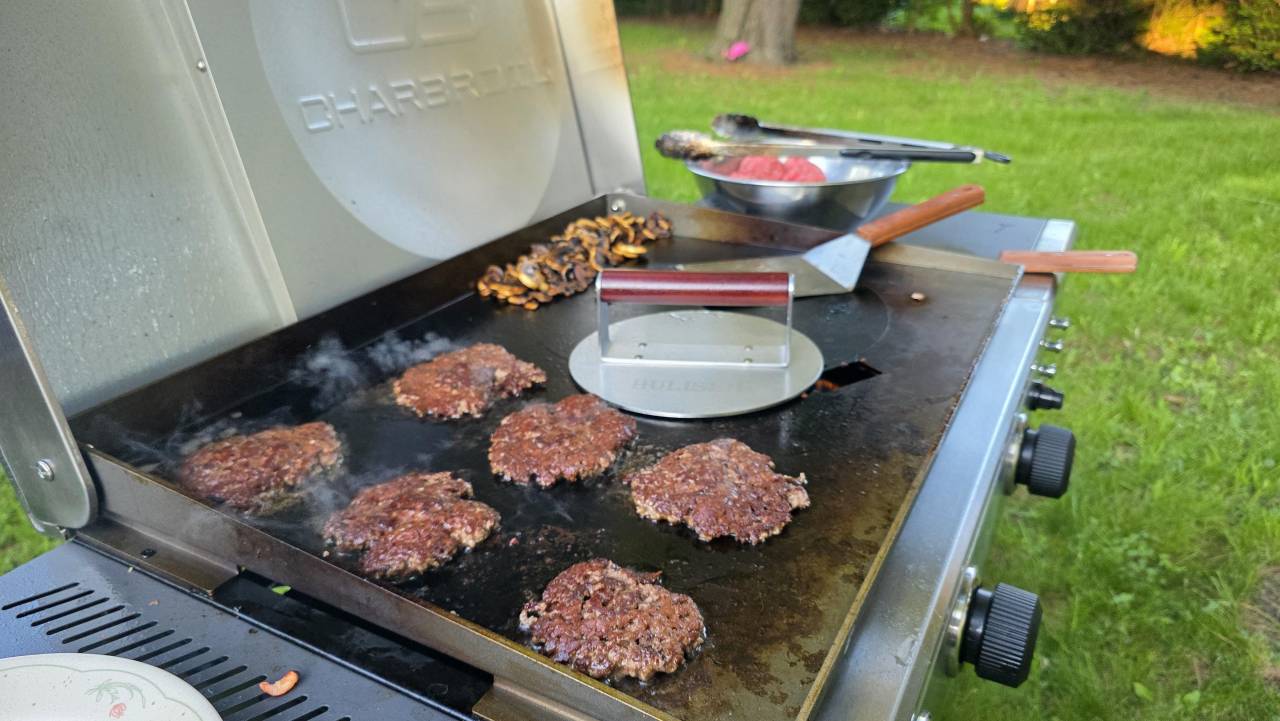
Backyard Grilling Pest Control: Beyond Just Mosquito Prevention
Master backyard grilling pest control with expert tips for keeping rodents, insects and pests away from your outdoor cooking. Includes grill maintenance, natural deterrents & product recommendations.
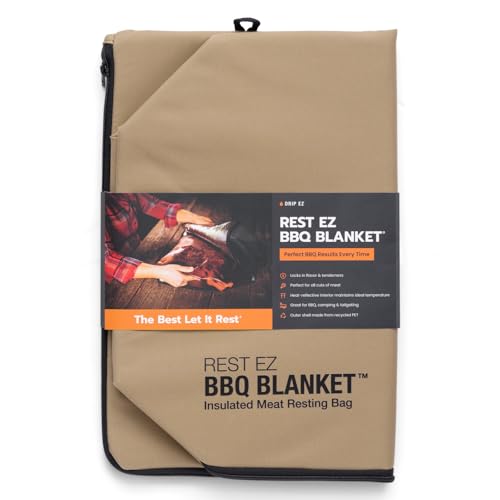
Rest EZ BBQ Blanket® - Insulated Meat Resting Bag
Insulated BBQ resting bag that helps briskets, pork shoulders and turkeys reabsorb moisture for juicier results. Ideal for serious grillers.
Promoted by FlowAds
How Conveyor Harvesters Cut the Carrying Out of a Long Picking Day
Hand harvesting is hard on the body. Pickers spend the day bent over the rows, then carry full containers back to a collection point and walk out again. On a large field, those trips eat up hours.
Equipment can take a lot of that carrying out of the job while people still do the picking. On produce farms, a Harvest Pro produce harvester setup can include a hydraulically powered conveyor wagon or trailer that carries picked crops to a collection or packing point. Workers set produce on the conveyor as it moves down the row, so nobody has to haul a full container back to the truck.
For labor-intensive crops, mechanical aids can increase worker productivity. That matters most in the few weeks when it seems like every crop on the farm is ready at once.
Man Gear Pick of the Month
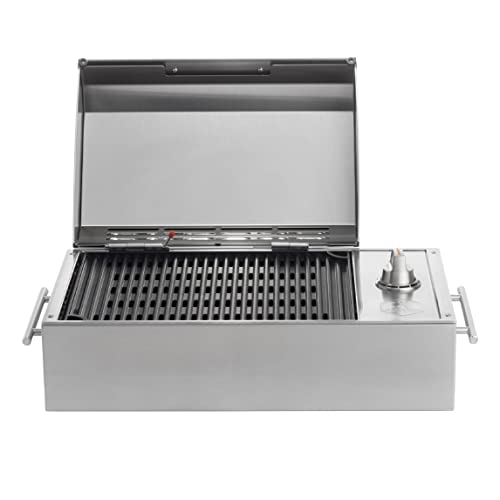
Kenyon City Grill Portable Stainless Steel Electric Grill
Why we picked it: a grill you can actually carry to the campsite, the tailgate or the cabin without borrowing a truck. Stainless, no propane tank to wrestle, and hot enough to cook for four guys rather than reheat for one.
 August's Pick LiberNovo Maxis Electric Big and Tall Ergonomic Office Chair, Graphite 52cm $1,466.00
  July's Pick Powerful Propane Torch Gun, Adjustable Flame Thrower Gun, Kitchen Torch with Detachable Design, Flamethrower Blow Torch for BBQ, Searing Steak, Welding, Camping Charcoal Lighter(Tank Not Included) $41.99
  June's Pick OYASUMI Funny BBQ Man Hot Dog Holders, 4 PCS Reusable Stainless Steel Sausage Stands, Portable Hot Dog Roasters, Barbecue Grill Accessories for Camping & Party Gifts $14.98
 Promoted by FlowAds
What Happens After Picking Decides Whether Produce Lasts the Week Or Just A Couple Days
Once a fruit or vegetable comes off the plant, the clock starts. Heat is the biggest enemy, and rough handling is a close second.
What happens next depends on the crop. Lettuce and berries get cooled down quickly. Apples and potatoes store well and can sit for months. Peaches and tomatoes bruise easily, so they get packed gently and shipped fast.
A long stretch in the sun or one hard drop into a bin is the difference between a peach that's still good on Friday and one that's mush by Wednesday.
Farm Stands and Markets Succeed By Skipping the Middlemen Between Field to Table
Supermarket produce usually passes through a packing house and a distributor before it reaches the shelf. Produce at a farm stand or farmers' market skips most of that trip, which is why it often tastes better even when it looks less perfect.
If a road trip takes you through farm country in summer, the stands along the highway are worth pulling over for.
Easy Ways to Show Kids Where Their Food Actually Comes From
Kids don't need a lesson in agricultural logistics to get curious about food. A pot of basil on the windowsill shows that food takes soil, water and time to grow. A couple of tomato plants in the backyard let them watch fruit ripen on the vine.
At a farmers' market, they can ask the grower directly, which beats anything in a textbook.
A grocery run works too. Ask them why peaches are everywhere in July and hard to find in January, or where the apples in the cart were grown.
Ask the Grower What Was Picked Today for the Best Produce of the Week
The easiest way to see this whole chain for yourself is to buy as close to the start as possible. At a farm stand or farmers' market, ask what came out of the field that morning and what's at its peak this week. Growers are usually happy to tell you, and whatever they point to is almost always the best-tasting thing on the table.
Then keep the farm's head start going once you get home. Berries go in the fridge unwashed and get rinsed right before you eat them.

Promoted by FlowAds